

Creeper Mushroom: Uncovering the Mysteries of This Fascinating Fungi
The world of fungi is diverse and extraordinary, and among the myriad of species lies the intriguing Creeper Mushroom. With its unique characteristics and captivating growth patterns, this mushroom has garnered attention from mycologists, nature enthusiasts, and foragers alike. Whether you’re a seasoned expert or a curious beginner, this article will dive deep into the world of the Creeper Mushroom, shedding light on its features, habitat, and significance.
What is the Creeper Mushroom?
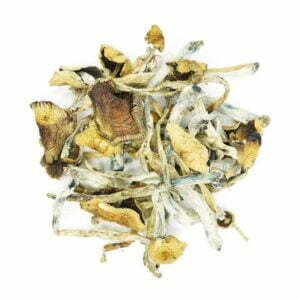
The Creeper Mushroom, known scientifically as Cortinarius species, is an enigmatic fungus often found in temperate forests. This mushroom is distinguished by its delicate structure, typically featuring a slim stalk and a cap that can vary in color from pale yellow to deep brown. The gills beneath the cap are often close and can display a rich, rust-colored hue as they mature, which is a hallmark of many species within this genus.
Habitat and Distribution
Creeper Mushrooms thrive in a specific type of ecosystem. Generally, they prefer moist, wooded environments, often taking root in association with certain tree species like birch or pine. The mycelium of the Creeper Mushroom forms symbiotic relationships with the root systems of these trees, allowing both organisms to benefit. This fascinating relationship not only aids in the nutrient exchange essential for growth but also plays a crucial role in forest ecology.
You can typically find these mushrooms during the late summer and into fall when the humidity levels peak, creating an ideal environment for fungal growth. They can often be located in groups, creeping along the forest floor in a display that is both enchanting and slightly eerie, as if they are gathering to tell a story from the earth.
Identification Tips for the Creeper Mushroom
Identifying the Creeper Mushroom can be an exciting challenge, especially for foragers eager to discover its hidden beauty. Here are some key features to look for:
– Cap: The cap can range in size from 2 to 10 centimeters, often displaying a smooth to slightly fibrous texture. Colors may include shades of ochre or brown, sometimes with darker warty patches.
– Gills: As mentioned earlier, the gills of the Creeper Mushroom are closely spaced and can exhibit a rusty color. They may also have a slightly wavy edge as they mature.
– Stalk: The stalk is typically slender and may be hollow, providing a fragile contrast to the sturdiness of the cap. The color is often a lighter shade compared to the cap, helping in distinguishing it during foraging.
– Spore Print: To obtain a spore print, place the cap gill-side down on a piece of white paper for several hours; the result will help solidify identification, presenting shades of rusty brown.
Culinary Uses and Safety Considerations
While the Creeper Mushroom may be visually appealing, it is important to approach culinary use with caution. This mushroom is not widely regarded as edible, and certain species within the Cortinarius genus can be toxic. Consuming unidentified mushrooms poses significant health risks, so it’s imperative only to forage with expert guidance or after thorough research.
For those keen on culinary experimentation, it’s advisable to focus on well-known and safe species. Understanding the nuances of mushroom foraging will enhance your experience while minimizing risks.
The Role of Creeper Mushroom in Ecosystems
Beyond its aesthetic qualities, the Creeper Mushroom plays a vital role in forest ecosystems. By forming mycorrhizal associations, it facilitates nutrient exchange that supports tree growth. This relationship helps maintain healthy forest habitats that contribute to biodiversity and soil health.
Additionally, the Creeper Mushroom serves as a food source for various wildlife. Many small mammals, insects, and even some bird species rely on fungi like the Creeper Mushroom for sustenance, illustrating its importance within the food chain.
Conclusion: The Fascination of the Creeper Mushroom
The Creeper Mushroom exemplifies the wonders of the fungal kingdom. Its unique characteristics, symbiotic relationships, and role in ecosystems make it a subject of endless fascination. While its culinary potential may remain limited, its ecological importance and stunning appearance continue to captivate mycologists and nature lovers alike.
If you find yourself exploring forests during the fungal peak seasons, take a moment to appreciate the Creeper Mushroom and the many stories it carries. Remember to forage wisely, observe with care, and allow the mysteries of this remarkable fungus to enrich your appreciation of nature.



Reviews
There are no reviews yet.