

Understanding Crack Cocaine: A Deep Dive
What is Crack Cocaine?
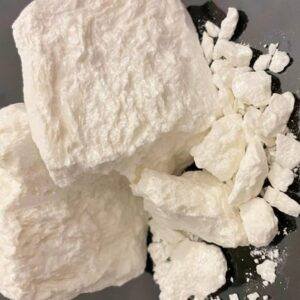
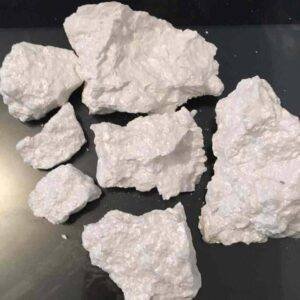
Crack cocaine is a powerful and highly addictive stimulant derived from powdered cocaine. The substance is processed to create small, hard rocks or crystals that can be smoked. This method of consumption leads to an extremely rapid onset of euphoric effects, making crack cocaine particularly alluring to users. However, this intense high is paired with equally intense risks, including addiction and severe health consequences.
Symptoms of Crack Cocaine Withdrawal
The experience of withdrawing from crack cocaine varies considerably from one individual to another. Factors such as personal resilience, digestive health, and the level of dependence play significant roles in determining how withdrawal manifests. Common symptoms include:
– Fatigue and Restlessness: Users often feel extremely tired but simultaneously restless, creating a sense of unease.
– Increased Hunger: After the initial high, many experience intense cravings for food, particularly carbohydrates.
– Emotional Distress: Feelings of sadness, anxiety, and irritability are prevalent, stemming from the brain’s altered dopamine levels.
– Strong Cravings: The overwhelming desire to return to the euphoric state provided by the drug can lead to potential relapses.
Understanding these withdrawal symptoms is crucial as they can severely hinder recovery efforts. Those undergoing withdrawal may feel compelled to return to use simply to alleviate these unpleasant feelings.
The Accessibility and Risks of Crack Cocaine
Crack cocaine is more affordable than powdered cocaine, which has made it widely available, particularly in lower-income communities. This accessibility has led to significant disparities in legal consequences, with users often facing harsher penalties compared to those caught with powdered cocaine. Racial and socioeconomic biases have influenced law enforcement practices, resulting in deeper scrutiny for those associated with crack cocaine.
Moreover, crack cocaine presents several risks beyond addiction. The smoking of crack leads to the rapid absorption of the drug into the bloodstream, resulting in an intense high that can easily escalate into dangerous physical and psychological consequences. Prolonged use can lead to severe health problems, including heart attacks and strokes, even in previously healthy individuals.
The Physical Impact of Crack Cocaine
Crack cocaine significantly affects the cardiovascular system. It causes veins to constrict, reducing blood flow and oxygen to the heart, and can lead to acute complications like heart attacks. Moreover, the impact on gastrointestinal function can lead to severe distress and complications.
Children born to mothers who used crack cocaine during pregnancy often face complex developmental challenges. This reality has been the subject of ongoing research, with studies indicating that the risks are multifactorial and often intertwined with environmental and social factors.
The Path to Recovery
Recovering from crack cocaine addiction is a challenging endeavor, but it is possible with the right support and resources. Treatment can occur in various settings, such as inpatient or outpatient facilities. Inpatient treatments offer a stable environment away from negative influences, which many find beneficial during the early stages of recovery.
Support systems should include medical supervision due to the potential for severe withdrawal symptoms and the risk of relapse during recovery. Specialized treatment programs focus on addressing both the physical cravings and the psychological aspects of addiction, including cognitive behavioral therapy and support groups.
The Importance of Education and Awareness
It is critical to spread awareness about the dangers of crack cocaine and the complexities of addiction. Many people do not set out intending to become addicted; the initial decision to try drugs can quickly spiral into deeper issues. Educating the public, policymakers, and healthcare providers on the nature of crack cocaine and its effects is essential in combating the drug’s impact on society.
Conclusion: Seeking Help for Crack Cocaine Addiction
If you or a loved one is grappling with crack cocaine addiction, remember that help is available. The road to recovery may be challenging, but there is a wealth of resources designed to support individuals on their journey. It is crucial to reach out for assistance rather than navigating this difficult situation alone. The fight against crack cocaine addiction begins with understanding the substance and the potential for recovery.

Reviews
There are no reviews yet.